
Value pricing for accountants means setting the fee from what the outcome is worth to the client, agreed before the work starts and before any proposal is written. A tax plan priced from the tax it's expected to save, rather than the hours it takes to build, is value pricing. An hourly rate with a bigger number on it isn't.
Most firm owners I talk to already get the theory. They lose the price earlier than they think, on the first call, and by the time a proposal goes out the number's already been set.
Sophisticated Buyers Don't Buy Time
Hourly billing tells your best prospects the wrong thing about what they're buying. I said it plainly in a Media Pouch session this September, "Sophisticated buyers don't buy time, they buy outcomes." A client paying for a tax plan wants a lower tax bill, and whether that takes you six hours or sixteen doesn't change what it's worth to them.
There's a second cost, and it lands on you. "Most accountants who start their own practice did it because they wanted more time, yet they charge the very thing that is most precious to them instead of focusing on outcomes." When you trade hours for dollars, getting faster at the work makes you poorer.
Clients already know how the meter feels. At a Record ATX shoot in June I put it this way, "Hourly. Think about the one industry that everyone hates. Lawyers. Why? Because you get a surprise bill just for answering an email." Nobody wants to wonder what a phone call to their accountant is going to cost.
The CPA Journal describes hourly billing as cost-plus pricing, and value pricing as grouping services into packages with a fixed price "based on the perceived value by the customer." Cost-plus starts from what the work costs you. Value pricing starts from what the result is worth to the client, so the price deserves more of your attention than the timesheet does.
What Should an Accountant Charge per Hour?
For advisory work, an accountant shouldn't be setting the price from an hourly rate at all, because the rate is the wrong anchor. It tells the client what your time costs. It says nothing about what the work is worth to them, and that's the only number they're weighing when they decide. If a prospect is overpaying the IRS by tens of thousands of dollars a year, a debate about your hourly rate is a debate about the wrong figure.
Compliance work can still be priced by the return or by the month. What changes is the work with an outcome attached. The tax plan and the advisory engagement get priced from the result. As I said at the same Record ATX shoot, advising work "will always trump any other kind of work because it's built on results."
Where Firms Lose the Price Before the Proposal
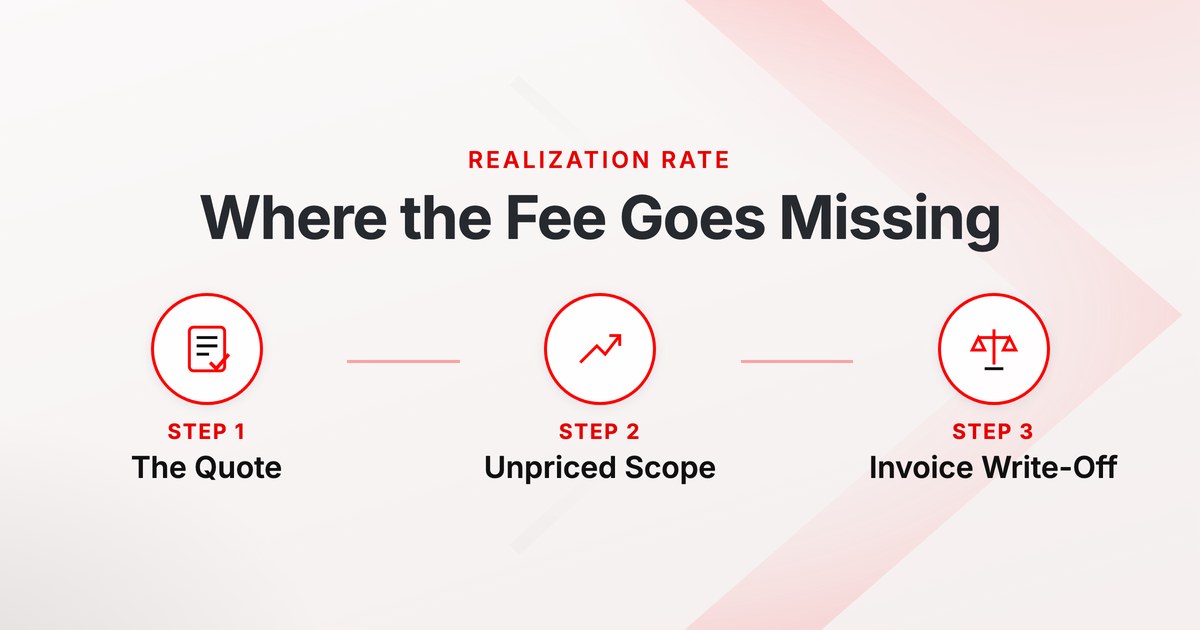
Most firms lose the price in three places, and all three happen before a proposal exists. The first is the free consultation that turns into the engagement. When you start solving the prospect's problem on the call, you've done work nobody has paid for, and you've taught them what it's worth. "If you hand it out like hotcakes, guess what? They're going to expect to receive it like hotcakes." I've written separately about the call that turns into free consulting and how to stop it.
The second is the custom quote. It feels like protection, a price built for this one client so you don't undercharge. On stage at GrowCon in June I told the room what it does to the prospect instead, "What it's actually doing is causing people to overthink." Every line item is another place to hesitate and another thing to compare against the firm down the street.
The third is the discount. In a September Q&A I was asked about a $5,000 tax plan that drops to $3,500 whenever a prospect hesitates. My answer hasn't changed. "You should never be negotiating on your price point. It's the last ace of spades you have in your pocket." Show more value on the call before you ever move the number.
Our Firm Huddle page lists these as habits a firm stops, giving free advice on the first call, custom quoting every prospect, proposals whittled down line by line, and bending on price to win the client. None of them is a pricing model. They're sales habits, and they set the price long before anyone opens a spreadsheet.
A Close Rate Over 50 Percent Is a Pricing Signal
If you close most of the prospects you talk to, you're probably charging too little. As I said in that same September session, "If you're closing over 50%, you're not charging enough for your services. I'd rather see a lower closing rate but higher profitability per client." I see referral-fed firms close at 50, 60, even 70 percent, because the referral did the trust-building before the call.
That close rate feels like proof the price is right. More often it means the price has never been tested. A value price will lose some prospects, and the ones it keeps are buying the outcome.
Building a Price a Client Can Say Yes to on the First Call
A value price holds when the client can see the return before they pay. We use what I call the 5X ROI rule. Whatever you ask a client to pay upfront, you should be able to show them at least five times that in return, or there's no reason for them to say yes quickly. For a tax plan, the prospect's last few filings usually show where that return will come from.
The math fits on a napkin. Say a prospect has been overpaying by $50,000 a year and has stayed with the same accountant for five years. They've left $250,000 on the table. Put a $5,000 upfront plan next to that, and the prospect is weighing your fee against a quarter of a million dollars.
The fee also has to be one package. I've written about pricing the upfront offer and what goes behind it, and the short version is that a single upfront package with a definite delivery date gives the prospect one clear decision. Itemize it, and every line becomes something to negotiate.
Firms that get this right usually charge more than they expected to. "We have clients that are charging $8,000, $9,000, $10,000 upfront," as I said in that September session. Ryan Bakke of Tax Strategy 365 raised his close rate from 25% to near 40% and moved from taking sales calls to leading his firm, and you can read his card with the others on our Firm Huddle results. Firm Huddle is where we build a firm's packages, pricing and positioning with them, and the new offer is on live calls within 30 days.
Moving Existing Clients at the January Engagement Letter
Existing clients move to value pricing at renewal, and next year's engagement letter is the natural place to do it. A price that changes in the middle of a relationship feels like a surprise. A price that changes with a new letter, a defined package and a clear outcome feels like a new agreement. Start with the clients who already get advisory-level attention on a compliance fee, because that's where the gap between what you deliver and what you charge is widest.
You don't have to reprice everyone at once. Pick the service with the clearest outcome, usually the tax plan, and give it a fixed price and a delivery date. We've gone deeper on selling more without selling more hours and on not competing on price if you want the next step.
If you'd rather build the package and the price with a team that's sat in on more than 20,000 advisory consultations in accounting and tax, that's the work we do in Firm Huddle. Or book an introductory call, and we'll look at where your price is leaking first.
FAQ
Can you explain value-based pricing in a simple way?
Value-based pricing sets your fee from what the result is worth to the client instead of how long the work takes. You agree on the outcome and the price before you start, so the client knows what they're paying and what they're getting, and finishing faster doesn't cost you money.
What is an example of value pricing?
A fixed-price tax plan is the clearest one. Say a plan is expected to save a business owner $25,000 this year. Pricing it at $5,000 upfront gives the client a 5X return, and the fee stays the same whether the plan takes you eight hours or eighteen.